
← Resources
Early Intervention
Babies and toddlers learn and grow in different ways. Some need a little extra help.
This is where Early Intervention comes in. Working with our community partners, we provide many different services to support kids from birth to age three — at no cost to parents. We help children develop:
- Physical skills like crawling, walking, reaching and drawing.
- Thinking skills like learning and solving problems.
- Communication skills like talking, listening and understanding.
- Doing things on their own, like eating or getting dressed.
- Social and emotional skills, like making friends and playing with others.
If you think your child needs additional support in any of these childhood development areas, Early Intervention might be right for your family.


Ages and Stages- FREE Social Emotional Toolkit
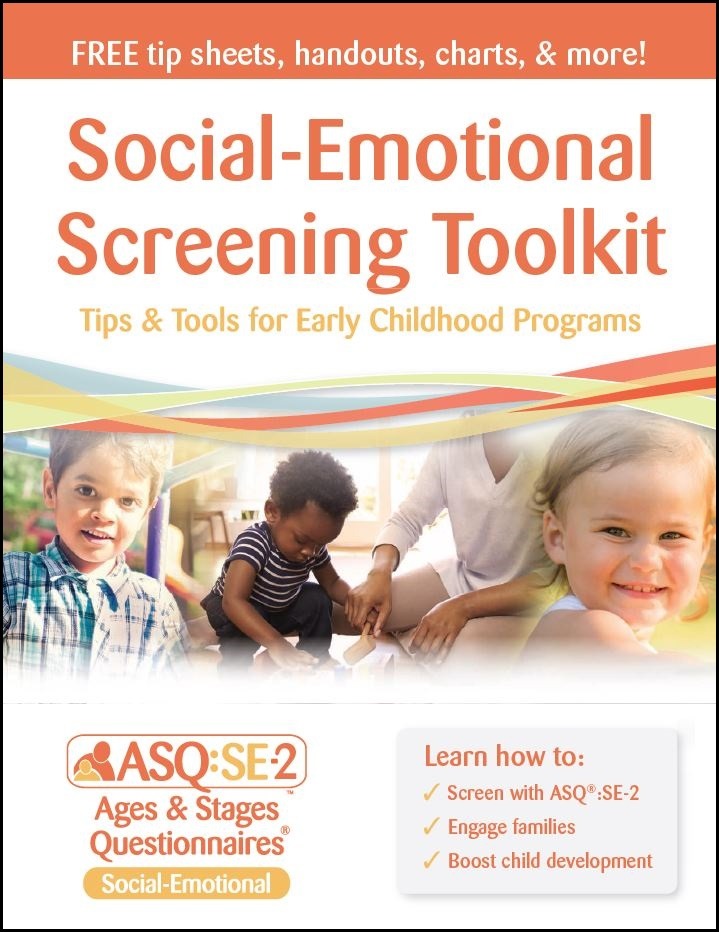
Social and emotional development in early childhood: more important than ever.
Center on the Social and Emotional Foundations for Early Learning (CSEFEL)
The Center on the Social and Emotional Foundations for Early Learning (CSEFEL) is focused on promoting the social emotional development and school readiness of young children birth to age 5.
Head Start, Early Childhood Knowledge and Learning Center- Social Emotional Learning
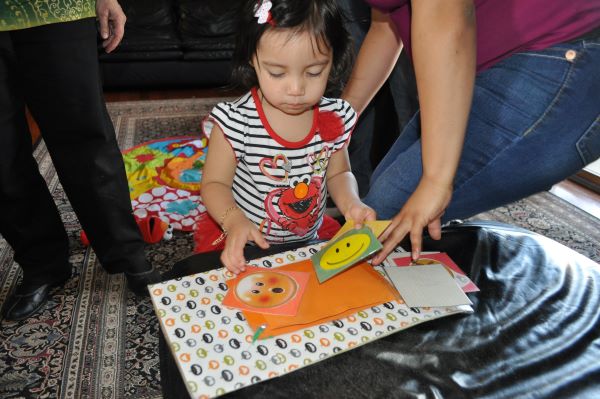
Positive social and emotional growth in the early years can lead to a lifetime of learning and mental health. This growth starts with relationships and caring settings.
Promoting Young Children’s Social and Emotional Health
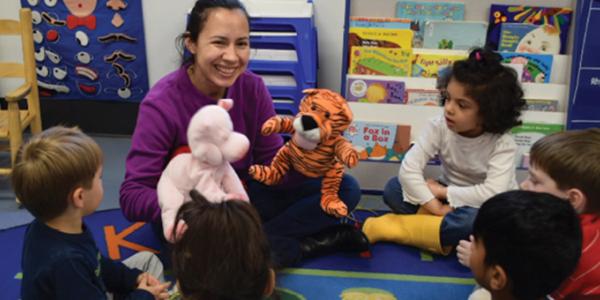
Research indicates that children who are mentally healthy tend to be happier, show greater motivation to learn, have a more positive attitude toward school, more eagerly participate in class activities, and demonstrate higher academic performance than less mentally healthy peers.
Social-Emotional Tips for Caregivers and Families of Young Children

The quality of each toddler’s relationships with familiar adults—especially their parents—sets the foundation for social and emotional health.
Resources for Early Childhood Professionals
From interactive trainings to engaging events and resources, Start Early helps leaders and staff build powerful practices that transform teaching and learning.
Early Childhood Educators

Early care and learning providers face many challenges in dedicating themselves to the children and families they serve. It’s important for you to have a trusted resource like Help Me Grow so you can focus on helping children thrive.
National Center for Pyramid Model Innovations
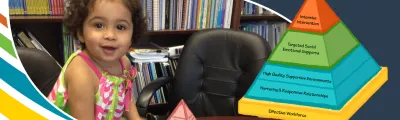
The National Center for Pyramid Model Innovations (NCPMI) works to improve state and local capacity to implement, scale-up, and sustain effective practices and policies to equitably support the social, emotional, and behavioral outcomes of young children with, and at risk for, developmental delays or disabilities.
A High-Quality Program for Your Preschooler

You might have questions like, What goes on in a preschool program? or Should my child be able to read and write at this age? This page will give you some of the answers.
DAP with Infants and Toddlers, Ages Birth – 3

The earliest years are all about relationships. Infants and toddlers crave and develop attachments to the special people in their lives. Depending on how parents, early childhood educators, and others treat them, babies also develop expectations about people and themselves.
Eight Tips for Teaching in the Outside Classroom

Research suggests that outdoor learning has many benefits for young children, including helping them to regulate their emotions and increase their nature knowledge.
Challenging Behavior: What Helps and What Doesn’t

Keeping calm and carrying on with ways to address challenging behaviors.
How to Care for Infants and Toddlers in Groups
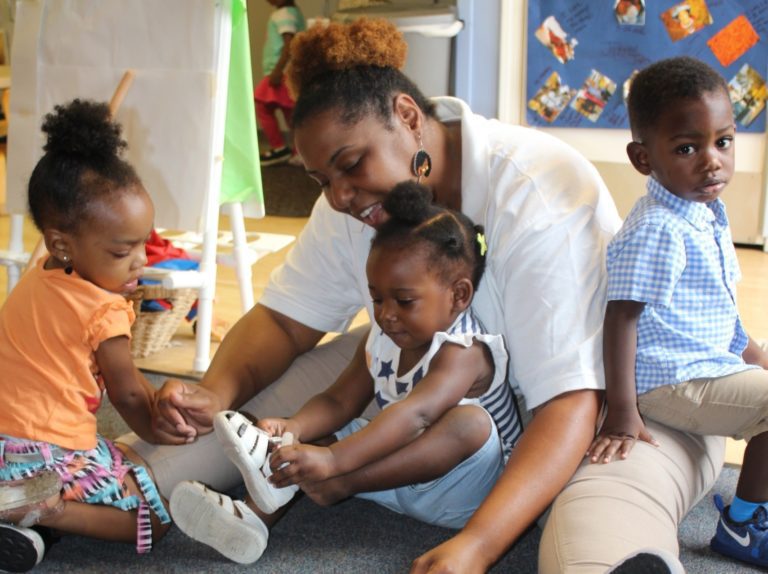
Out-of-home child care for infants and toddlers, if done well, can enrich children’s early experience. It can also be a therapeutic component of services to at-risk children, providing a safe and consistent base for protection, prevention, and treatment.
Buzzwords Explained: What is Gentle Parenting

Gentle parenting does not mean letting your child be in charge. That’s scary for a child. Gentle parenting is a way of building a relationship with your child that is joyful, has limits, and is loving.
Buzzwords Explained: Trauma-Informed Care

Trauma-informed care gives kids security. Whether in classroom or clinical settings, learn more about responsive care for children who have experienced trauma.
https://www.zerotothree.org/resource/buzzwords-explained-trauma-informed-care/
ZERO TO THREE Early Childhood Resource Center

Everything you need to learn about how early connections last a lifetime.
25 Fun Mindfulness Activities for Kids & Teens (+Tips!)
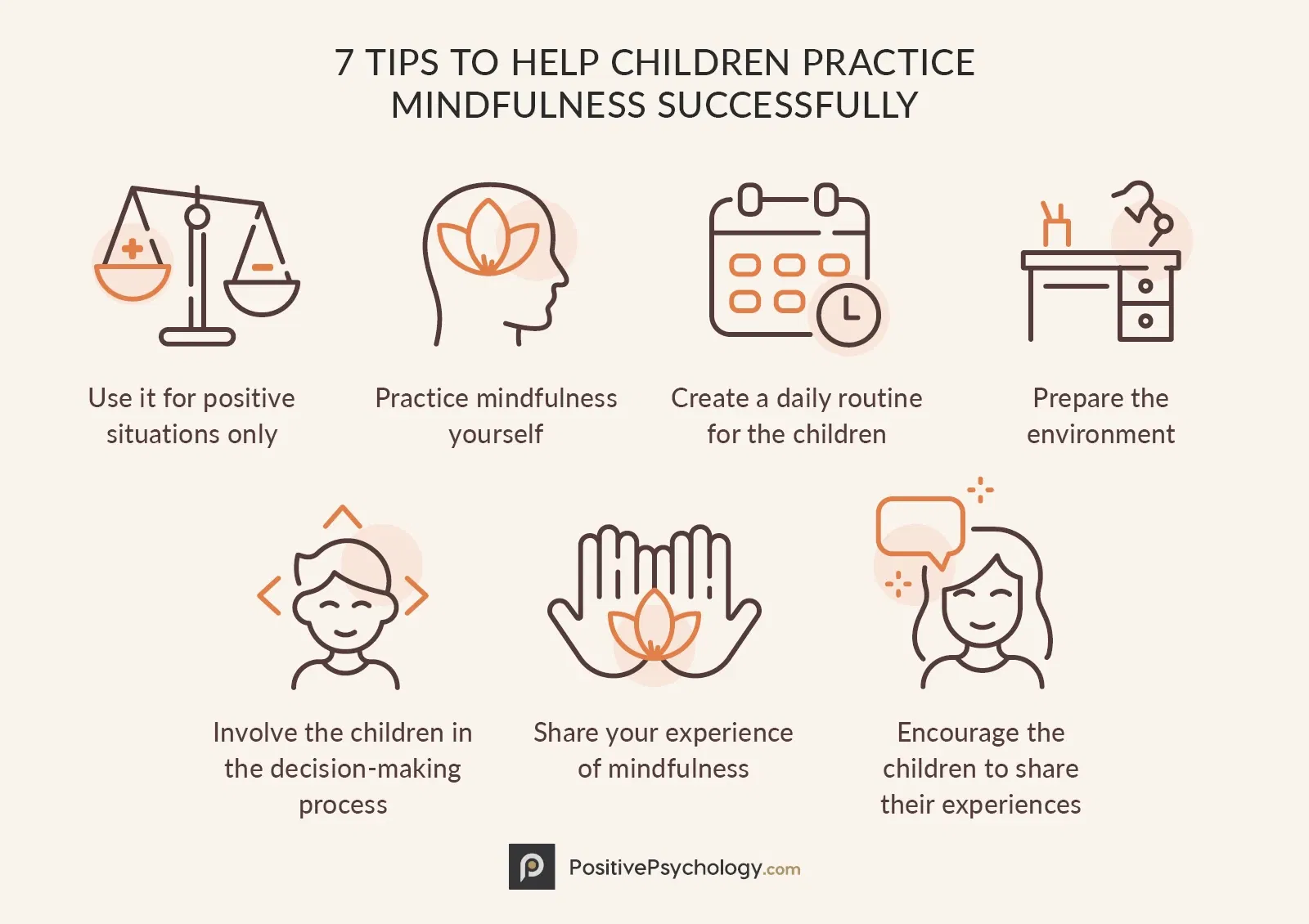
What does mindfulness do to spark “the joy of just being” that Tolle references? And, how can we start teaching this as young as possible?
This article delves into both of these questions and includes plenty of activities for you to start using today.
Dougy Center

At Dougy Center, our mission is to provide grief support in a safe place where children, teens, young adults, and their families can share their experiences before and after a death.
Helping Children with Traumatic Separation or Traumatic Grief Related to COVID-19

Offers information on how to talk with chlidren about traumatic separation or traumatic grief as it relates to the COVID-19 pandemic.
Dreams From Drake

Dreams from Drake is a volunteer organization; funds generated from the foundation will be used to provide children and teens who recently lost a sibling or parent with various forms of community and social support.
60+ Books about Disabilities and Differences for Kids
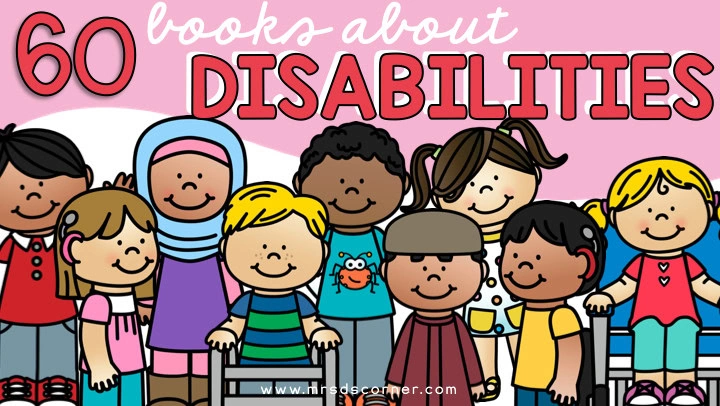
These are books that you can use to introduce the topics presented to other children, teachers, and adults. You’ll want to read them over and over again after eagerly adding them to your ever-growing classroom library.
Early Intervention Steps

The New York State Early Intervention Program (EIP) is part of the nationwide EIP. It is for infants and toddlers under three years of age who may not be making progress like other children because of a develop mental delay or disability
5 Preschool Activities for Children with Special Needs

Here are five suggestions that help children with special needs, both in the classroom and at home, get the most out of their learning experiences.
Family SupportServices (FSS) Overview
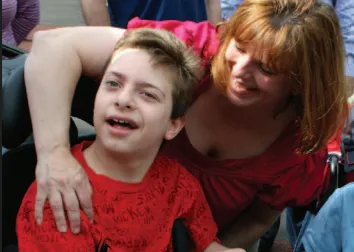
There are a wide variety of Family Support Services available to assist you with caring for your loved one at home.
Addressing the Unique Needs of Children and Adults with Disabilities and Their Families
This set of resources includes strategies, activities and guidance for individuals with specific disabilities and disabilities in general that may help to minimize anxiety and promote learning at home or in other environments.
Visual Support for Infants and Toddlers

Visual supports have many different uses and can support children with a variety of learning characteristics.
Child Mind Institute: How to Handle Tantrums and Meltdowns

Tips for helping children learn better ways to express powerful emotions
Mayo Clinic: Temper Tantrums

Temper tantrums are part of growing up. Find out how to respond to temper tantrums and what you can do to prevent them.
Child Mind Institute: Agression
Aggression in children can be a symptom of many different underlying problems.
Head Start ECLKC: Biting Tipsheet
Biting is a common but upsetting behavior of toddlers. It is important for parents to address biting when it occurs. This fact sheet provides tips for parents and program staff on how to better understand issues around biting.
NAEYC: Biting Behaviors
This article will help you to understand the reasons young children bite and give you some ideas and strategies for responding appropriately.
Early Advantage: What Can We Do to Help with Our Child’s Challenging Behavior?

How to handle challenging behavior in toddlers and young children is a common concern for parents and educators alike, but it is important to keep in mind that many children exhibit this behavior.
KAPLAN Learning Center: How to Address Challenging Behaviors Using High-Quality Guidance Policies

Early childhood teachers and administrators often feel unprepared to deal with children’s challenging behavior and report that behavior problems are the most demanding aspect of their work.
Head Start ECLKC: Understanding and Managing Children’s Behaviors
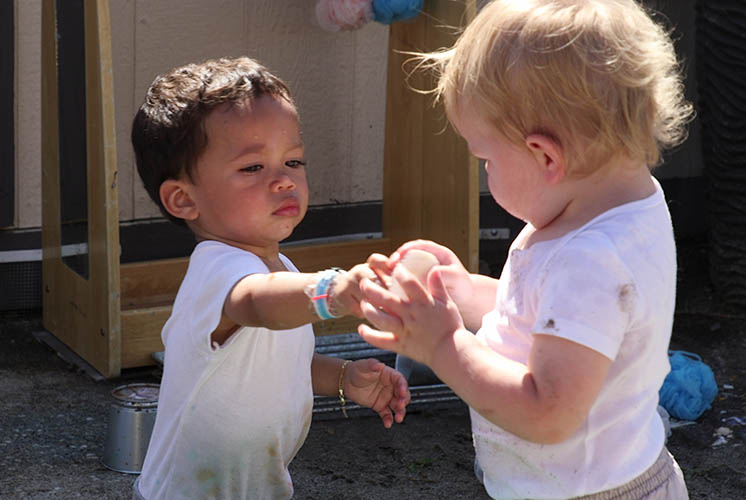
Adults often find children’s behaviors interesting and engaging. There are also behaviors that adults sometimes find challenging.
Tips for Responding to Challenging Behavior

The most effective strategies for addressing challenging behavior are primarily focused on
prevention of challenging behavior and promotion of appropriate social behaviors.
NAEYC: Guidance and Challenging Behaviors

Collection of blogs and articles
ChildCare Education Institute: How to Deal with Challenging Behaviors in Preschool

At ChildCare Education Institute, we’ve spent the past 20+ years training educators like you to become the best possible teacher for your students.



New York State 988
The 988 Suicide & Crisis Lifeline connects you to trained crisis counselors 24/7. They can help anyone thinking about suicide, struggling with substance use, experiencing a mental health crisis, or any other kind of emotional distress. You can also call, text or chat 988 if you are worried about someone you care about who may need crisis support.

Autism Focused Intervention Resources & Modules

California MAP to Inclusion & Belonging
Making Access Possible
Addressing the Unique Needs of Children and Adults with Disabilities and Their Families

Stay Safe Procedures in Early Childhood Programs
The Office of Head Start National Center for Health, Behavioral Health, and Safety has issued guidance to support caregivers as they plan for safety drills, questions from children, and procedures for their programs.


